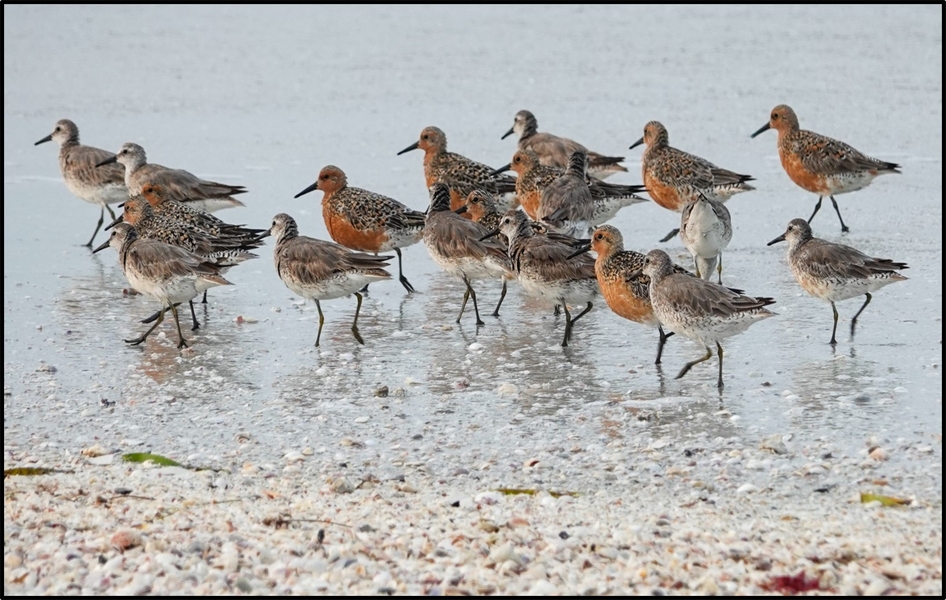
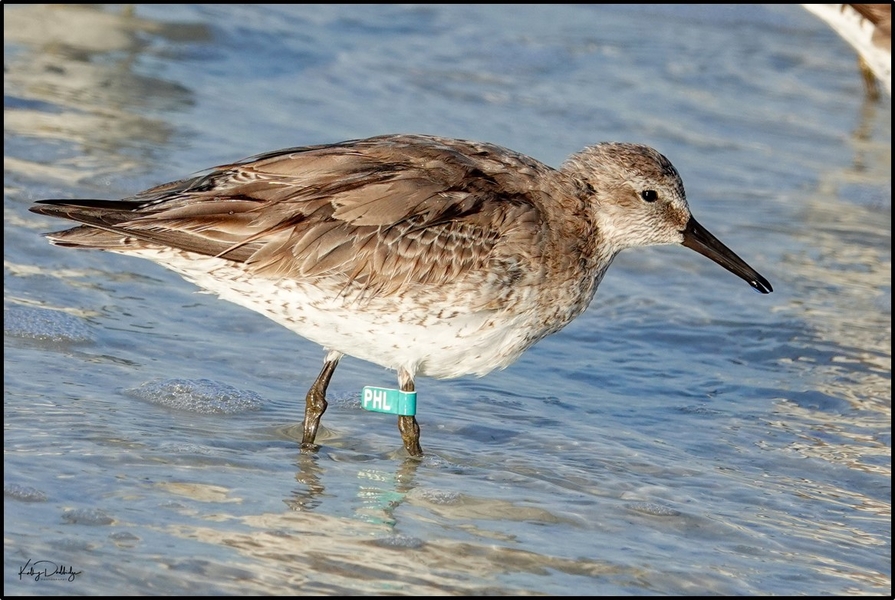
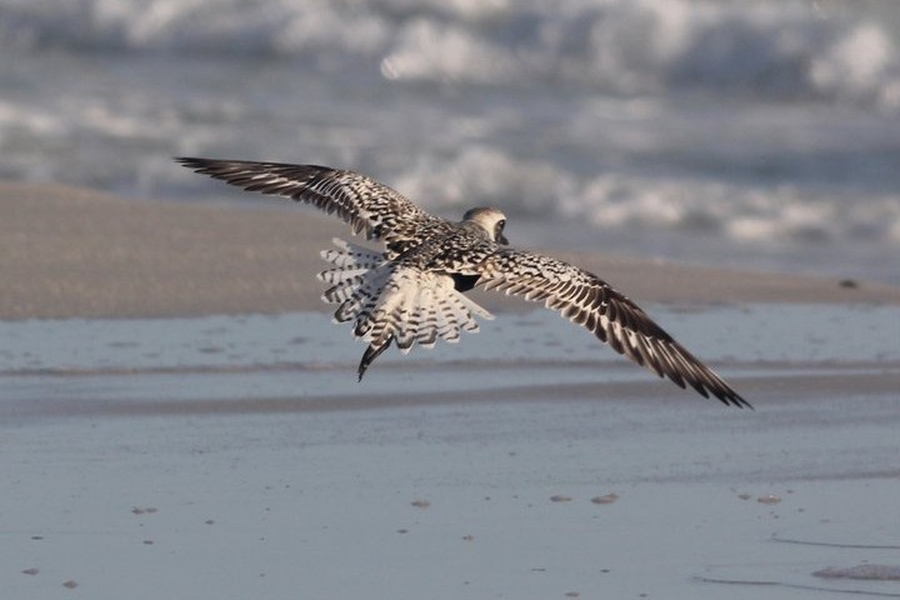
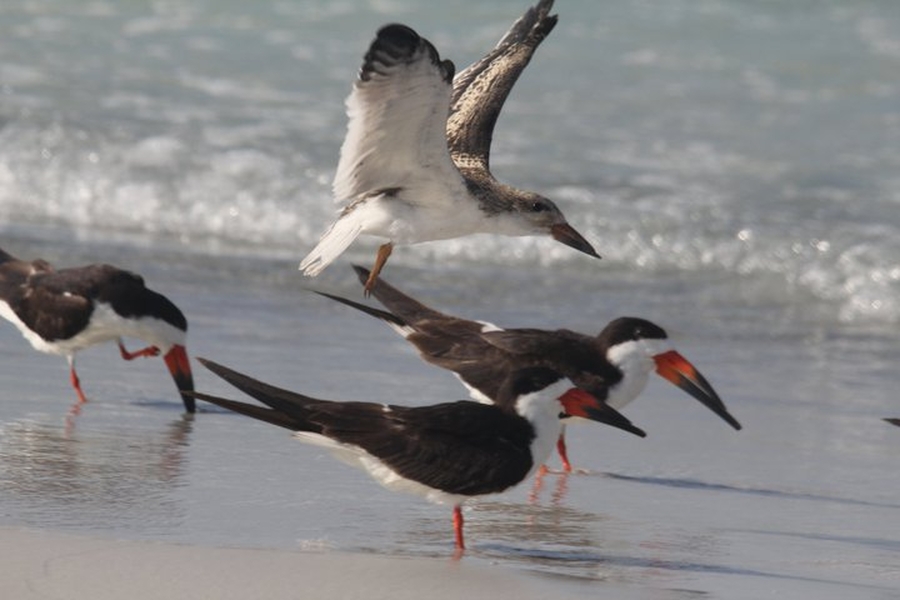
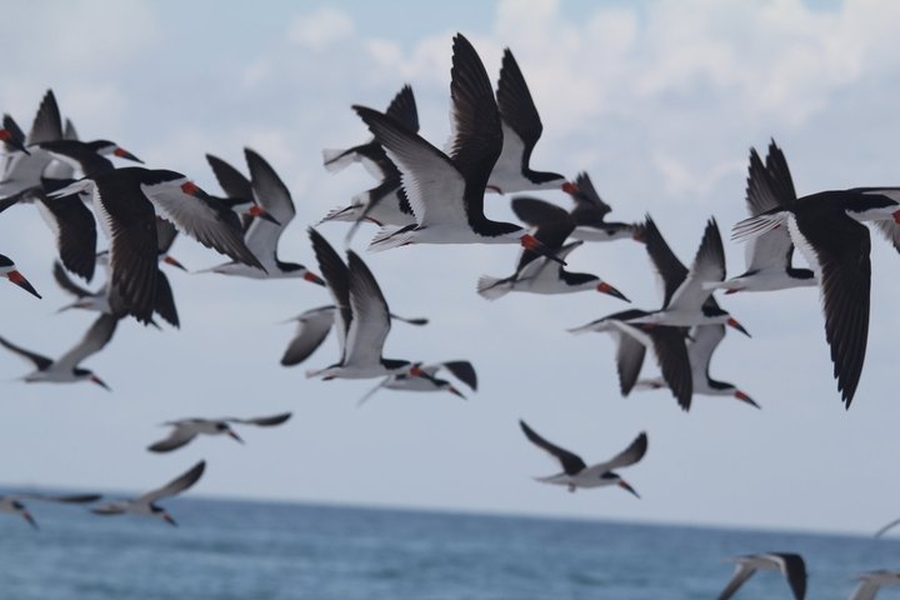
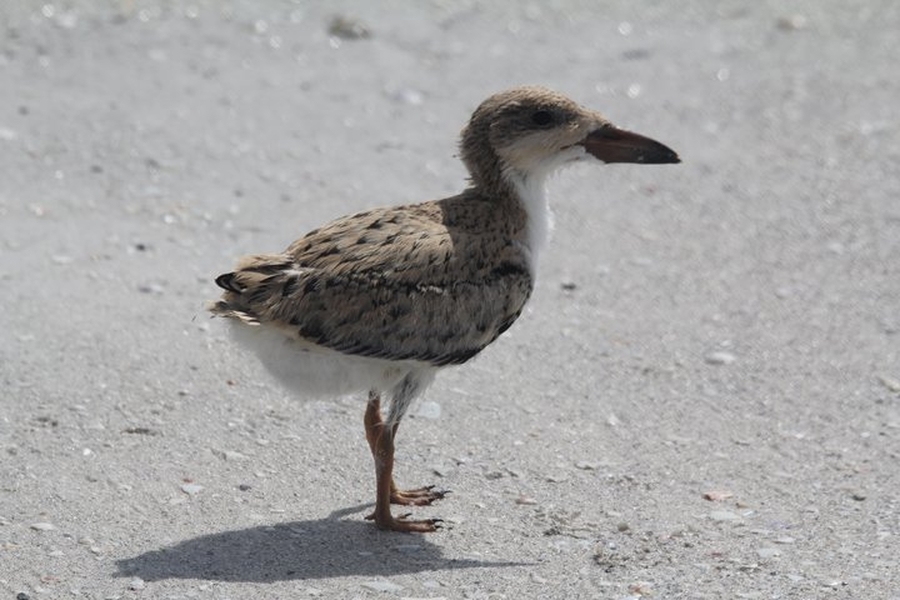
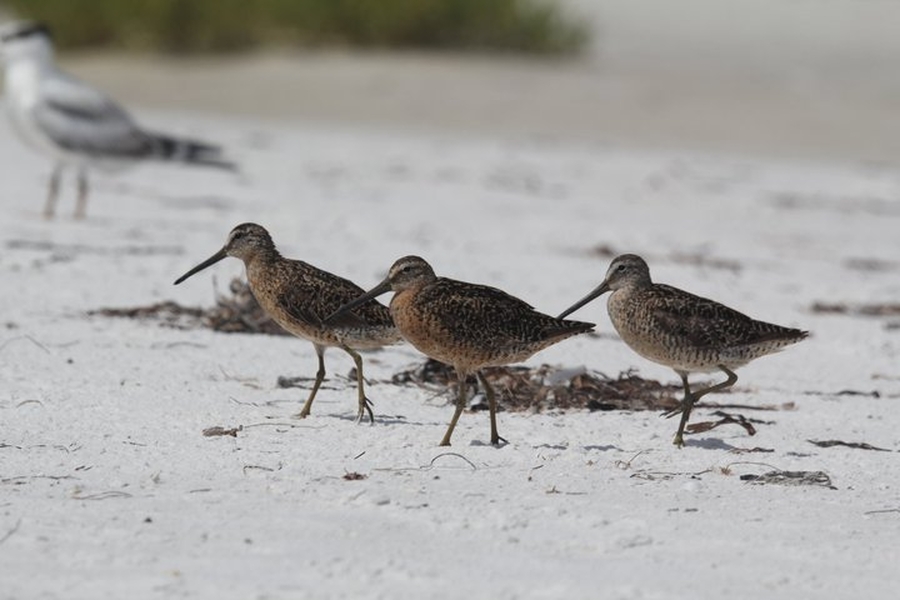
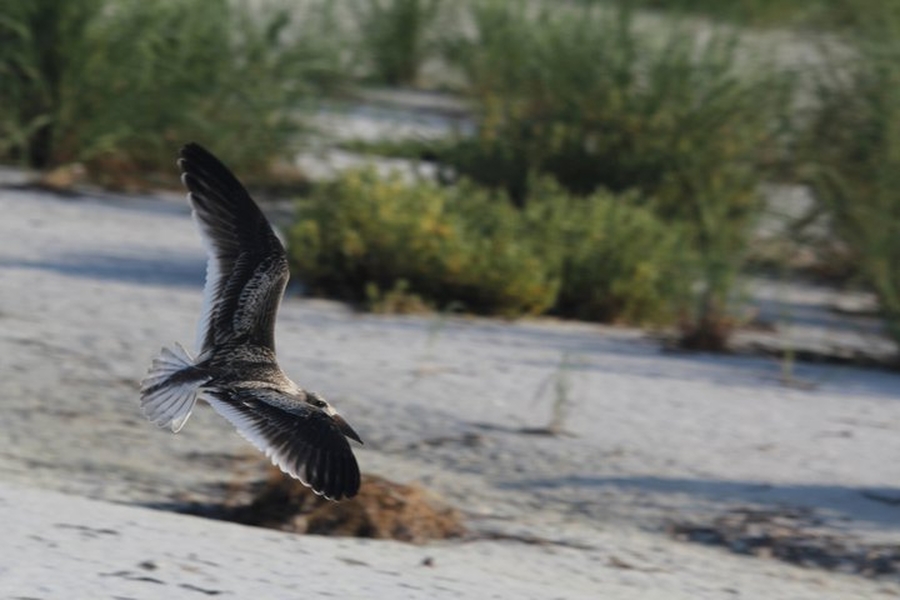
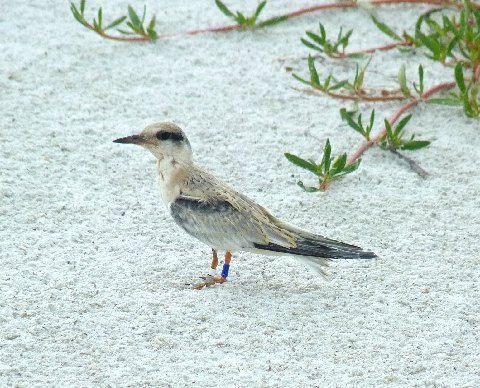
 Shorebirds, or waders, are not simply birds found at the shore, but are the families of plovers, sandpipers and related forms. Most of these birds can be found along shorelines, especially in migration, but they are also found inland, upland, on arctic tundra or at sea. They are related to gulls, terns and auks. One of the many attractions of shorebirds is the long-distance migration of species such as Red Knots, between the high arctic and southern South America. Equally evocative are the calls of Curlews and Godwits, often unseen phantoms of the air.
When one gains experience in watching shorebirds, another appeal is the challenge often present in their identification and the excitement of finding the rare wanderer.
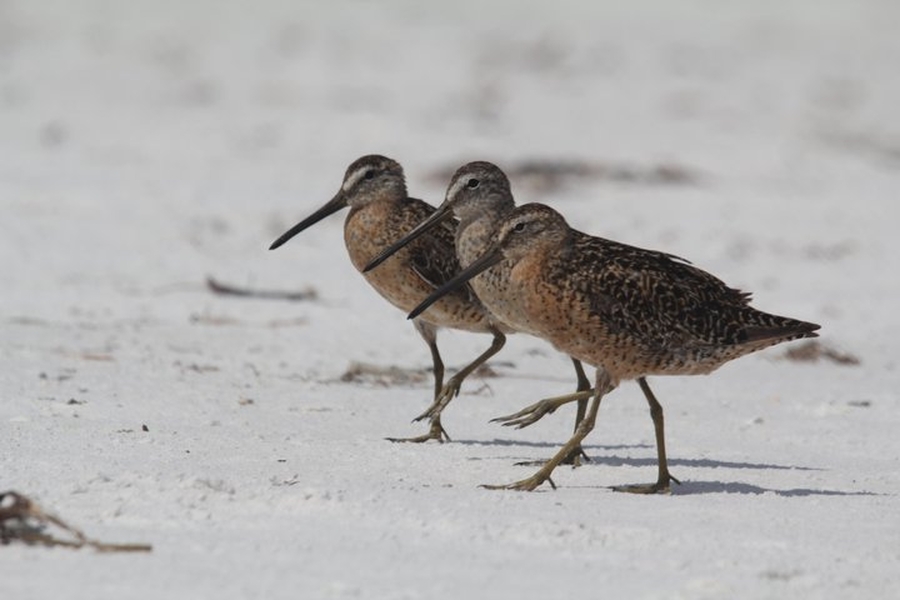
Shorebirds vary from the boldly patterned like avocets and stilts to the subtlety of small sandpipers (peeps or stints) with plumage variation by season and age. Identification has become an intense study and there are now many books able to assist those drawn to the challenge.
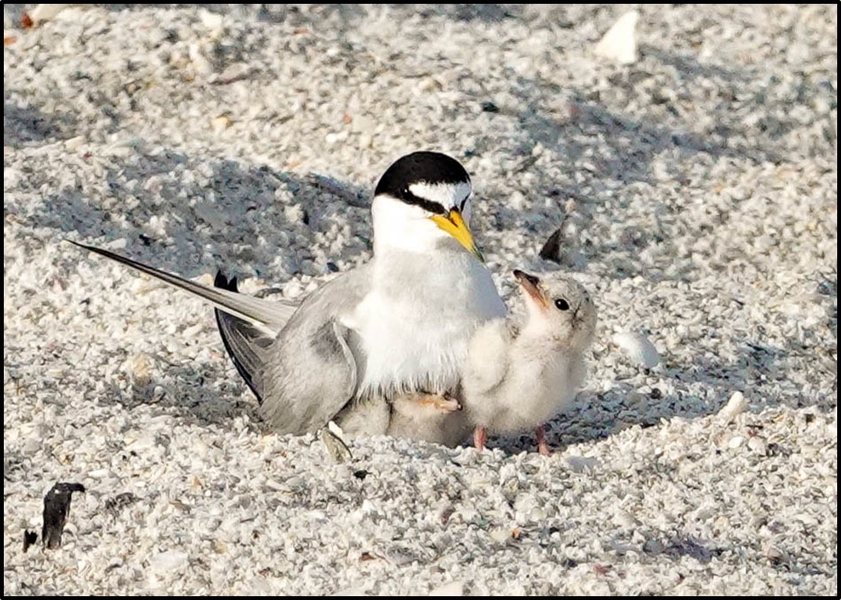
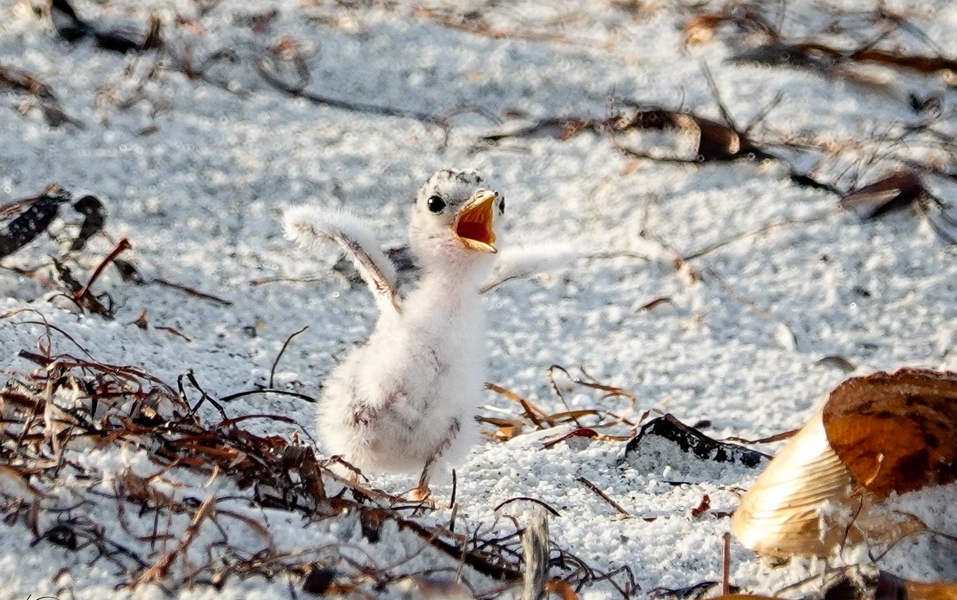
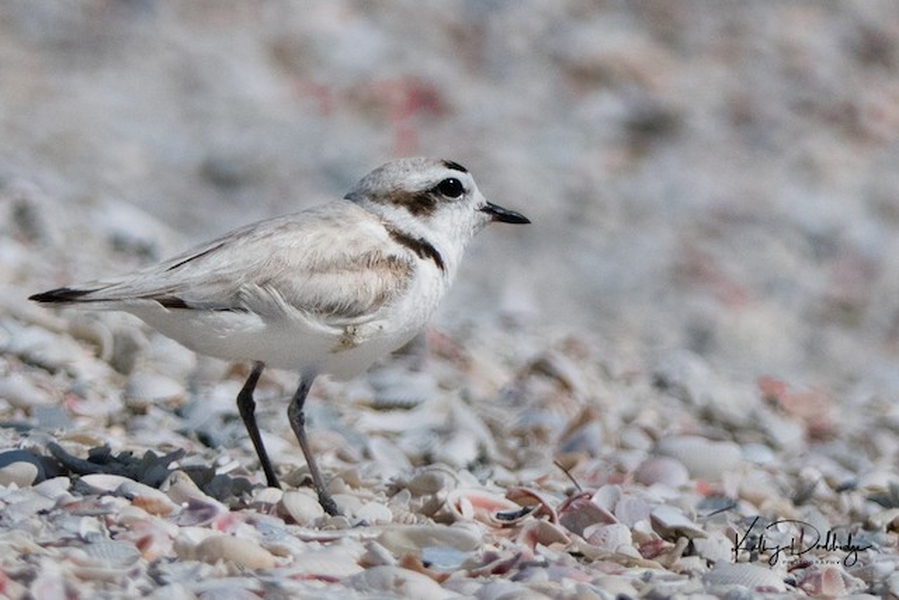
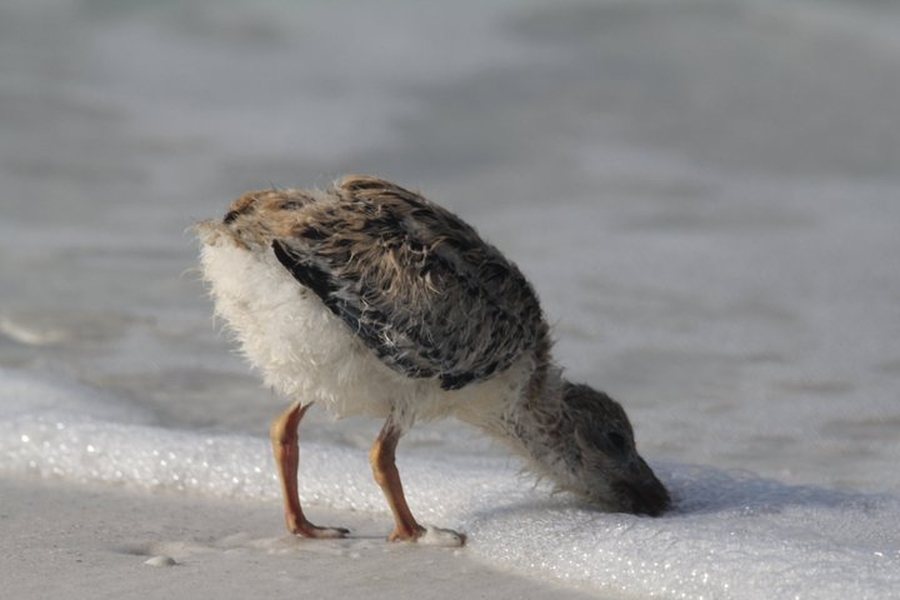
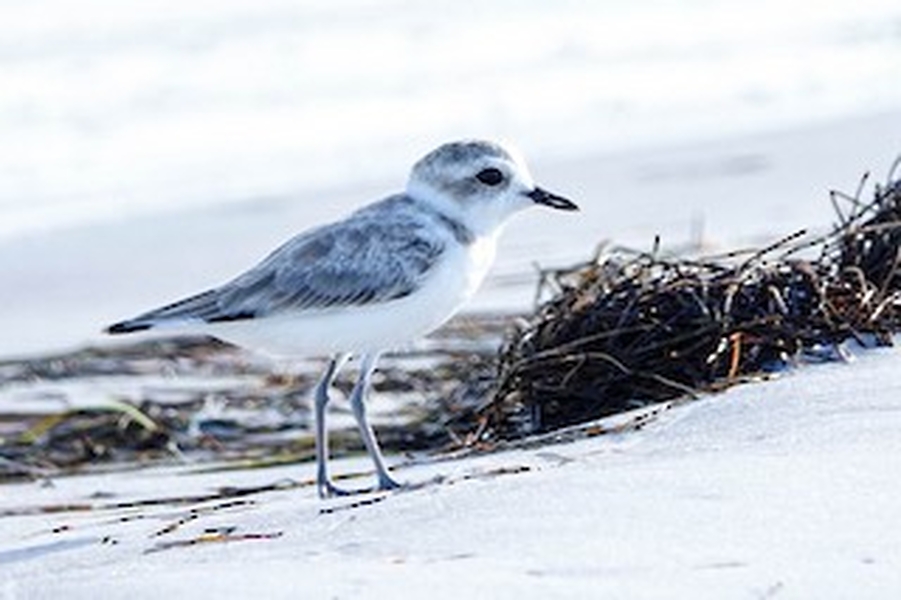
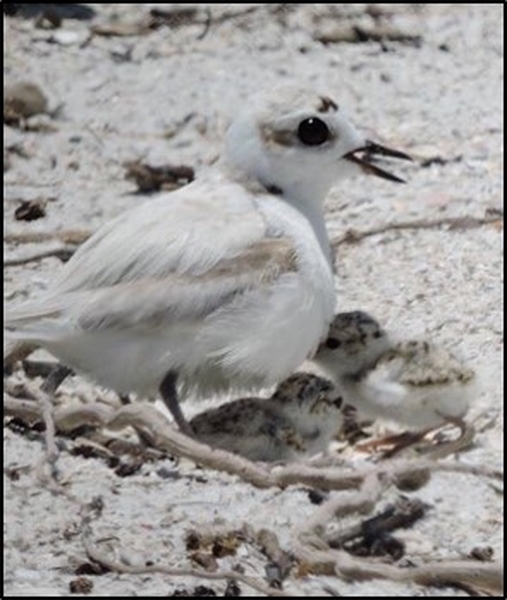
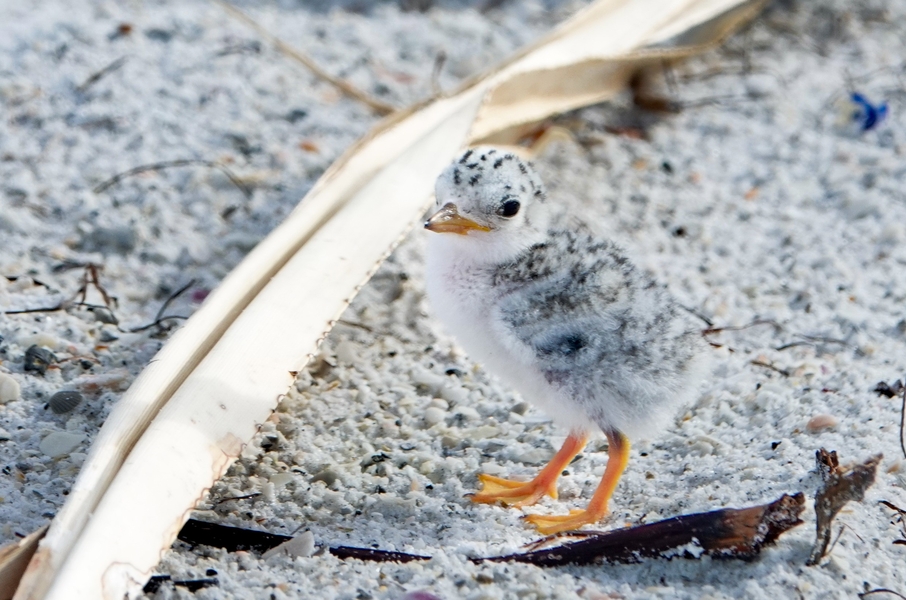
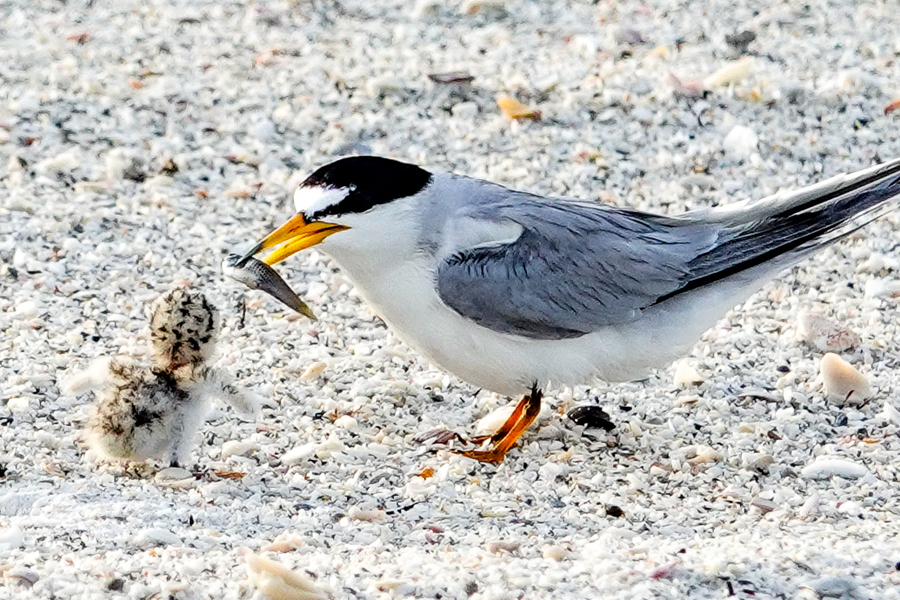
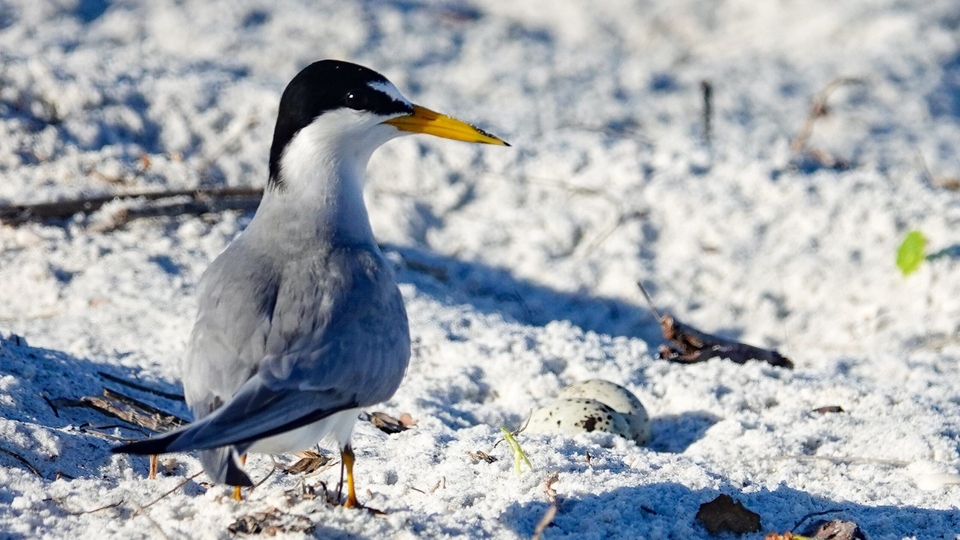
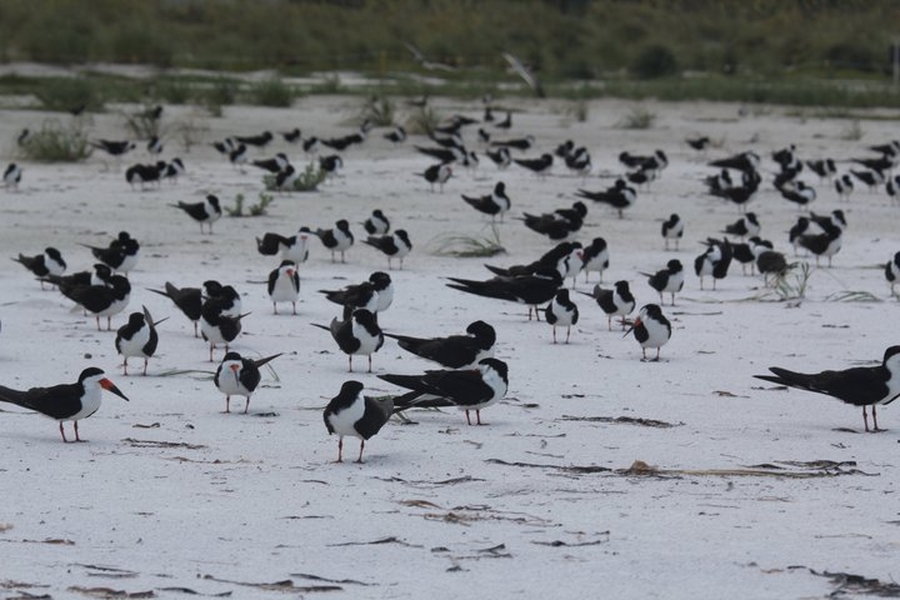
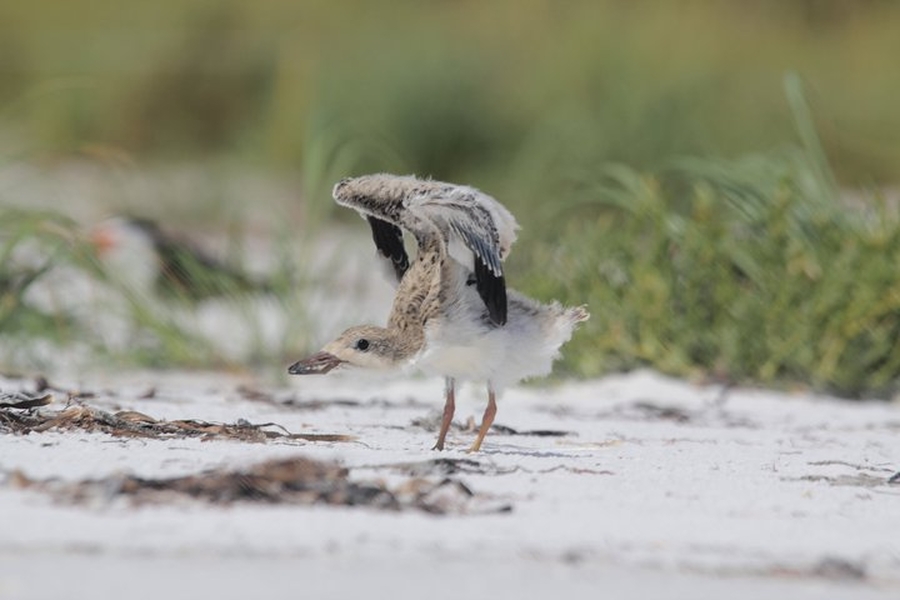
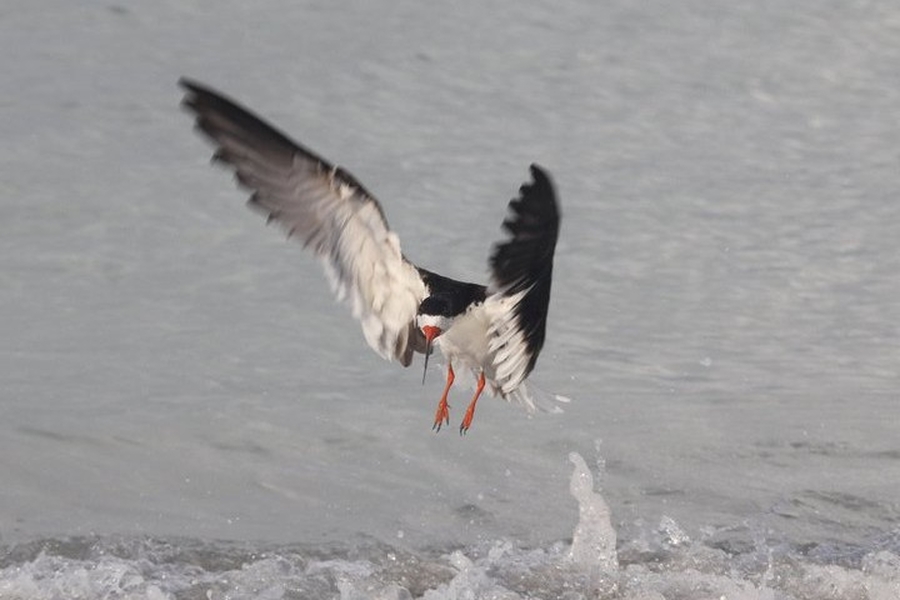
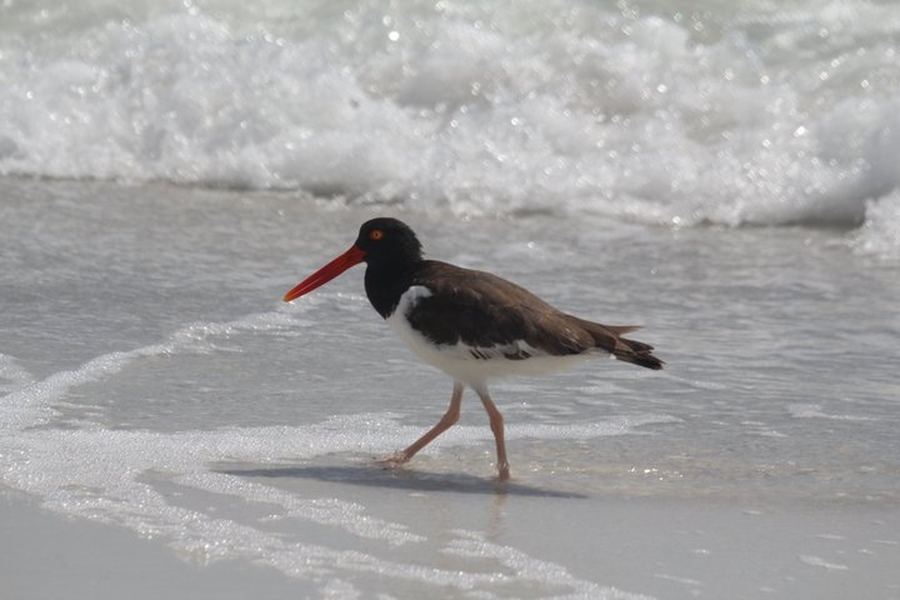
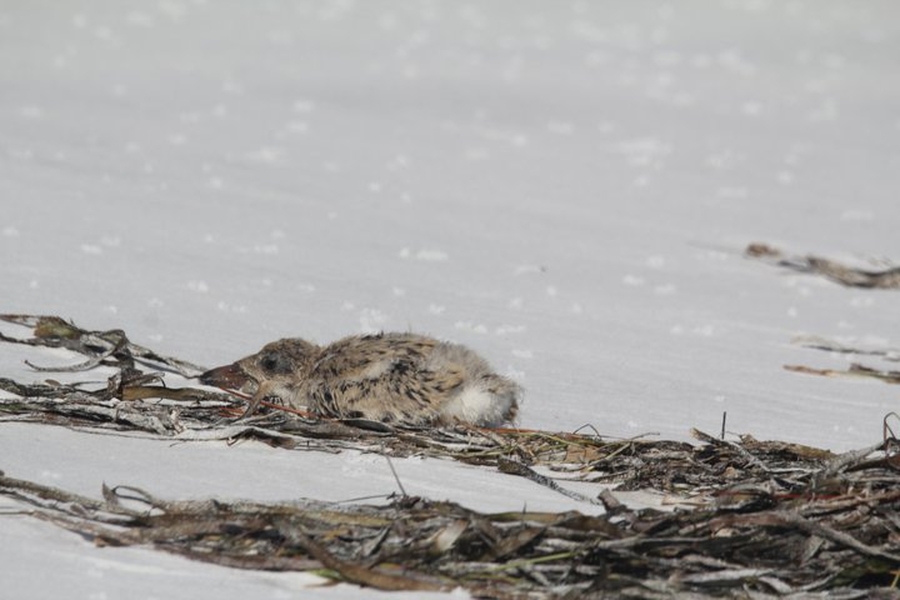
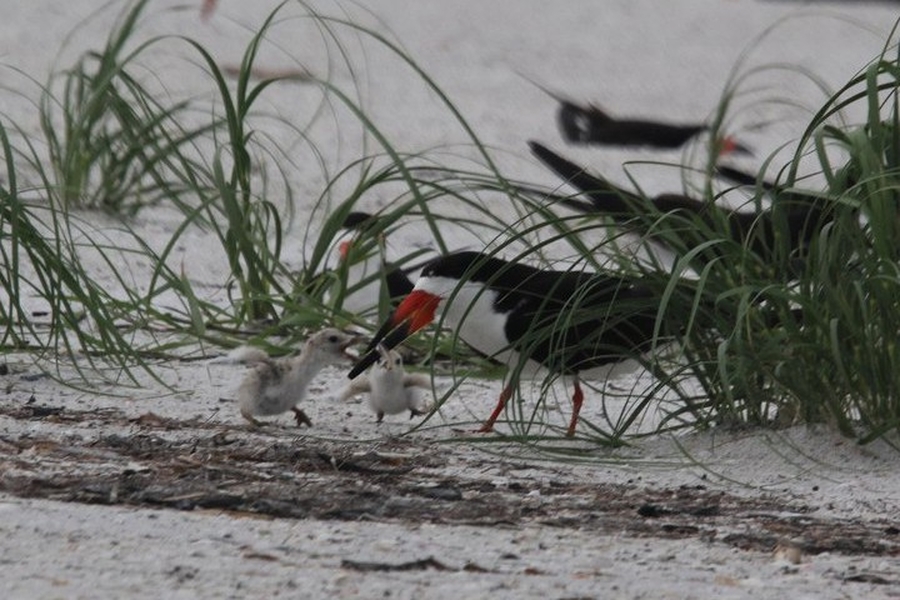
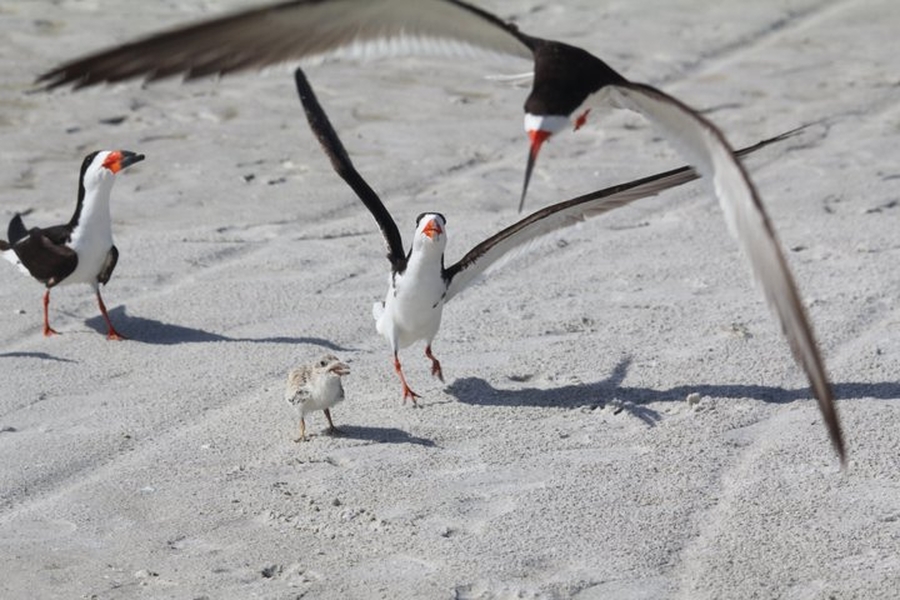
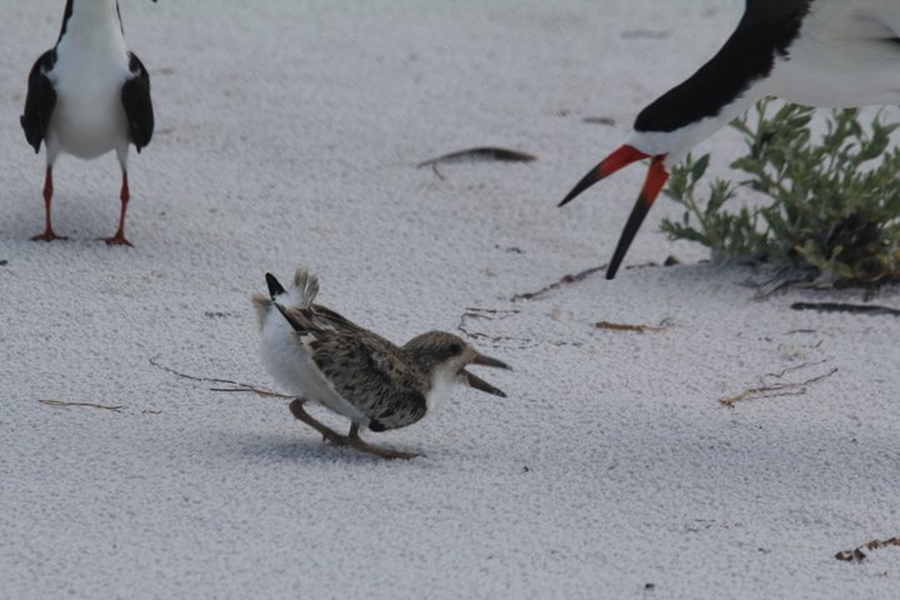
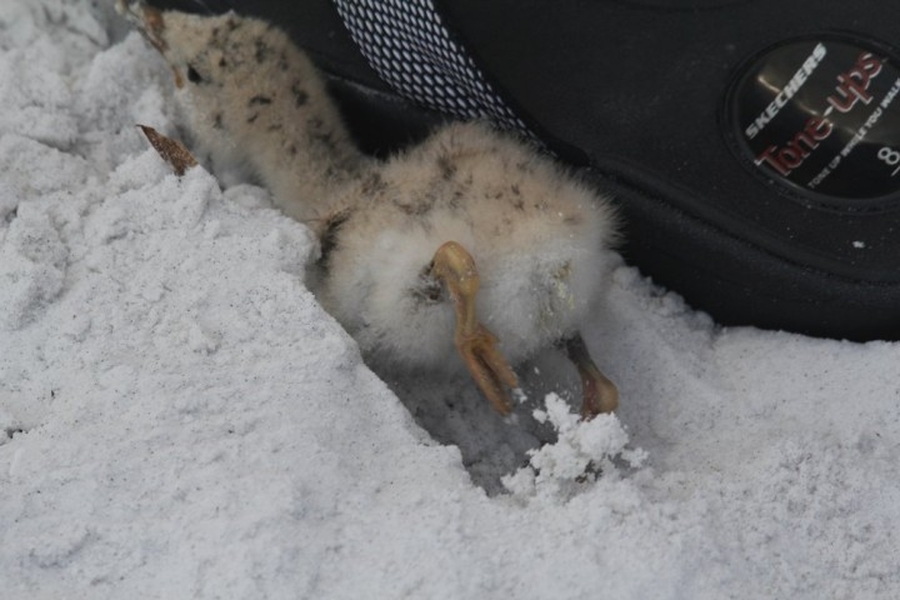
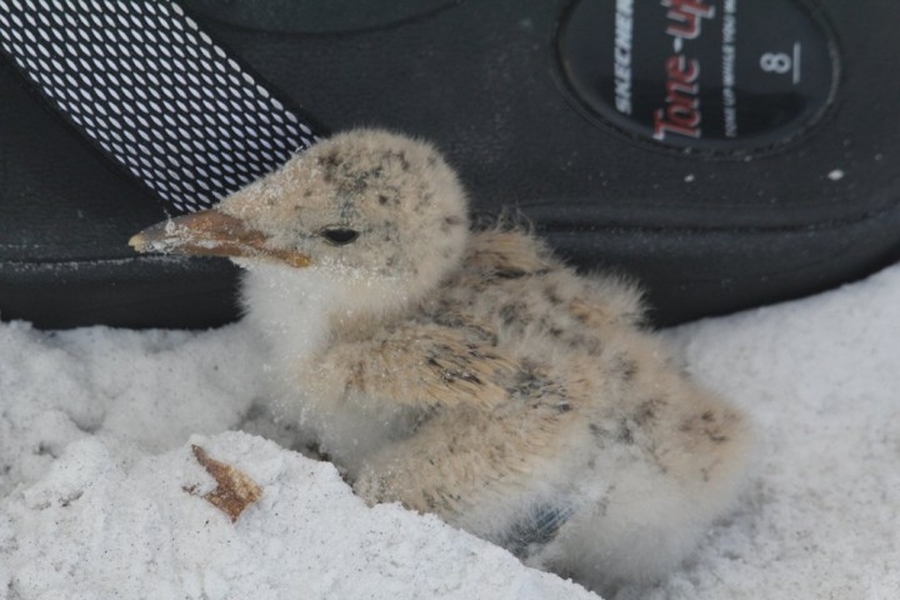
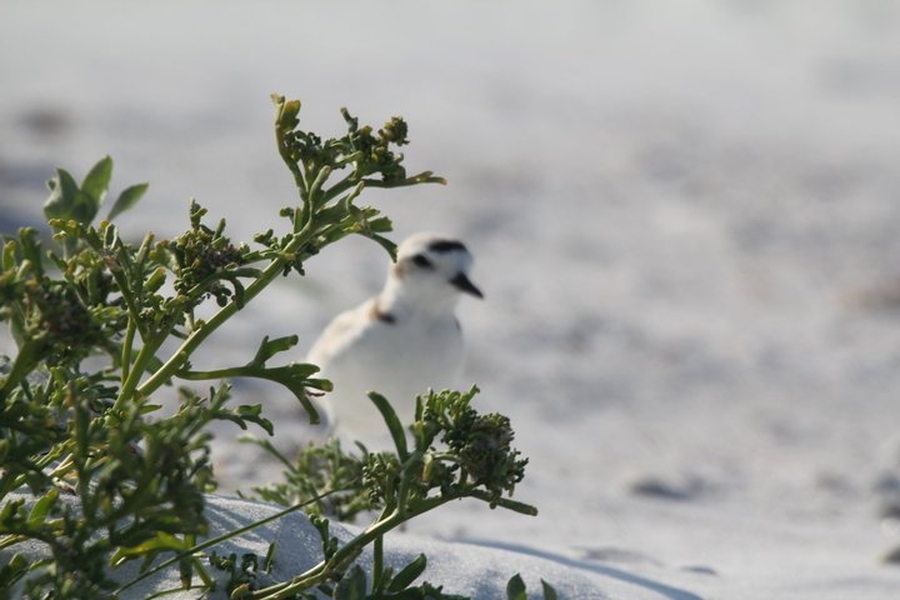
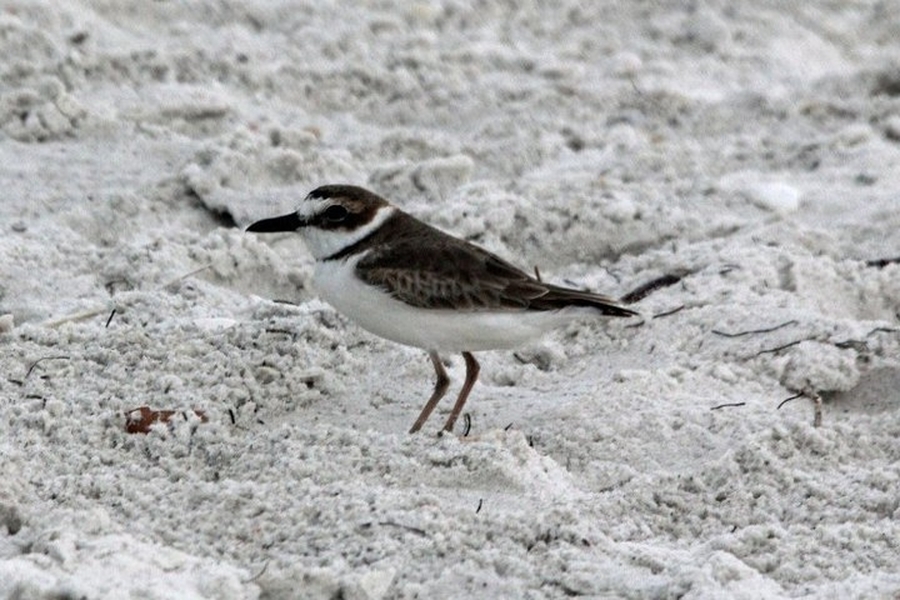
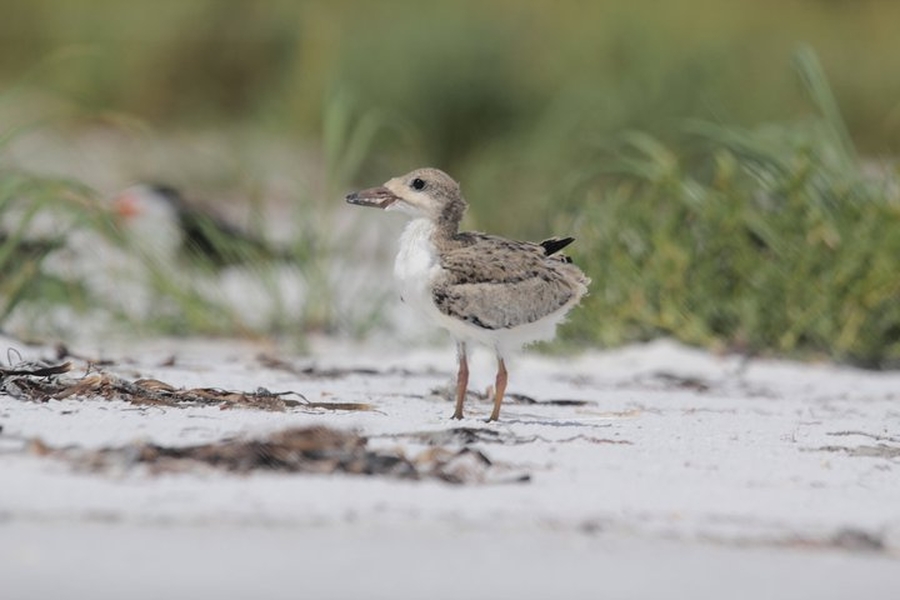
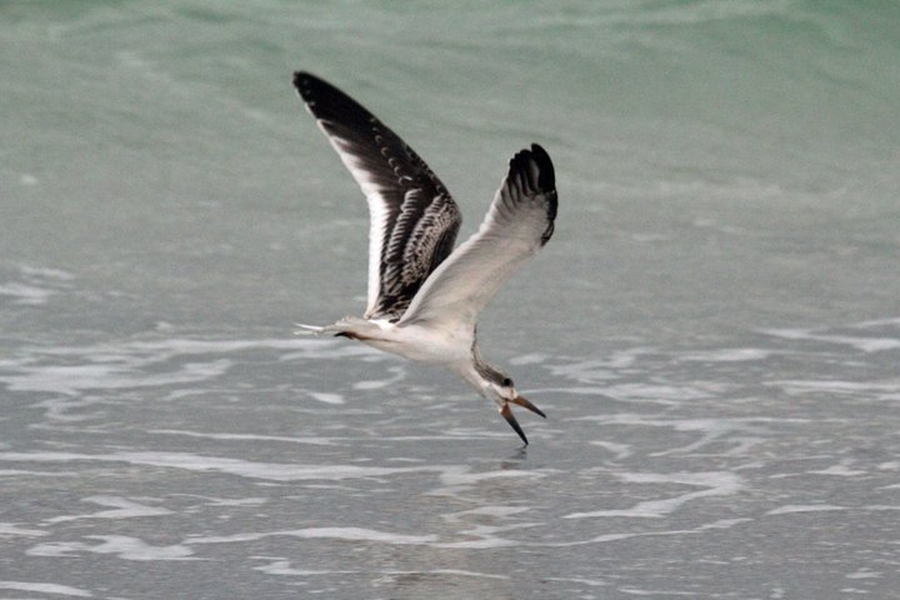
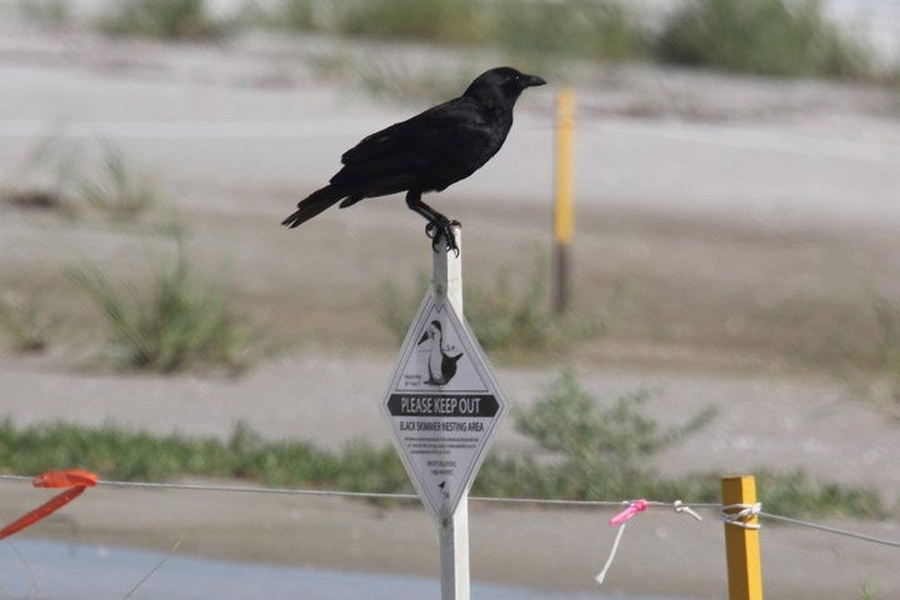
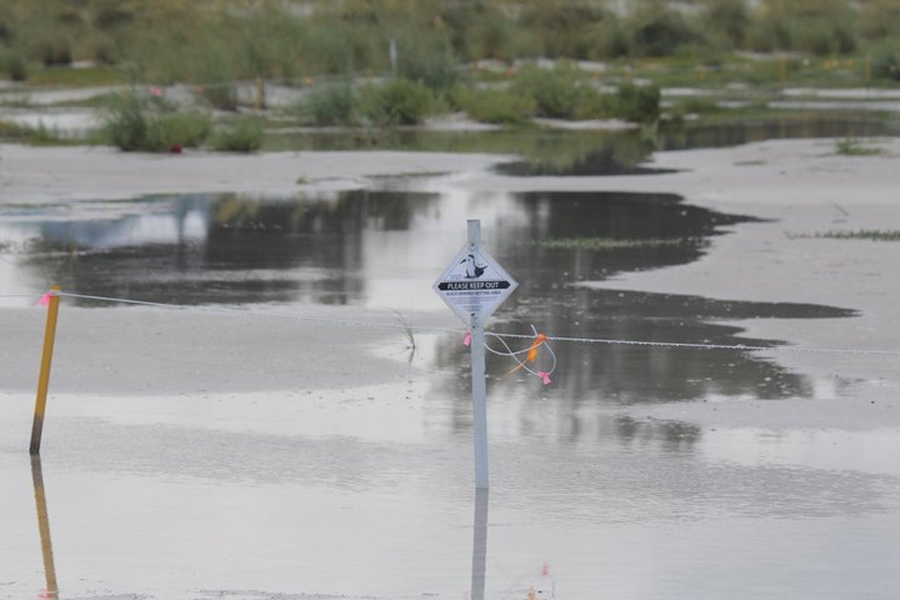
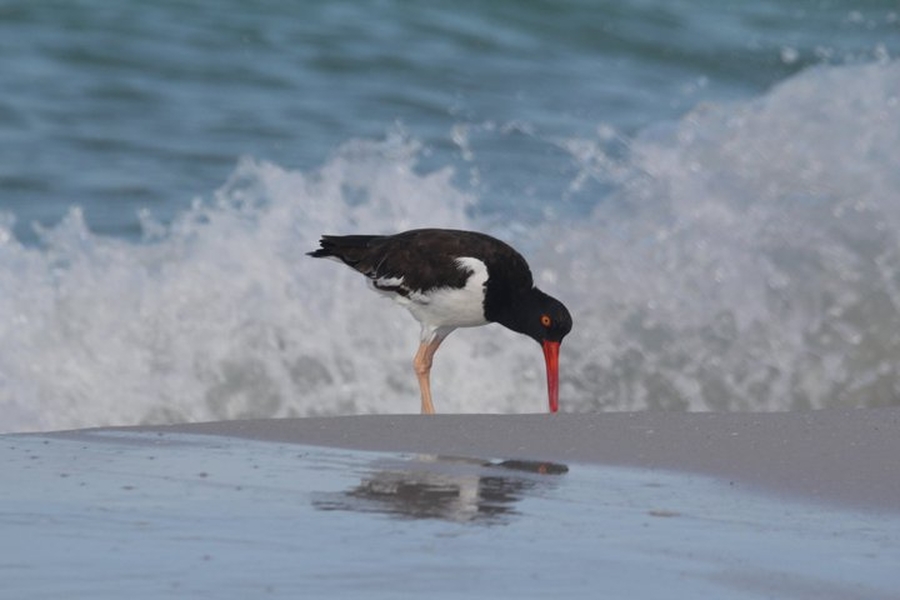
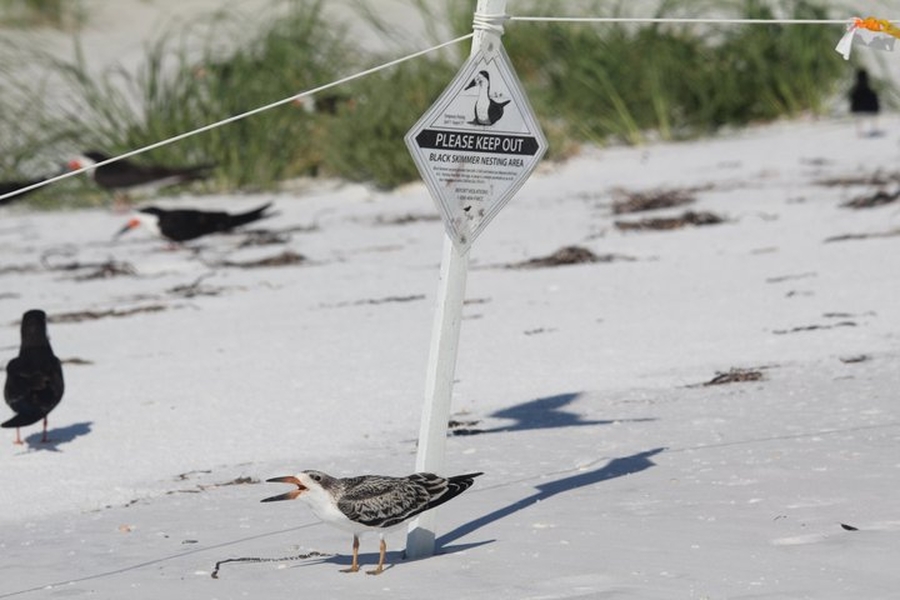
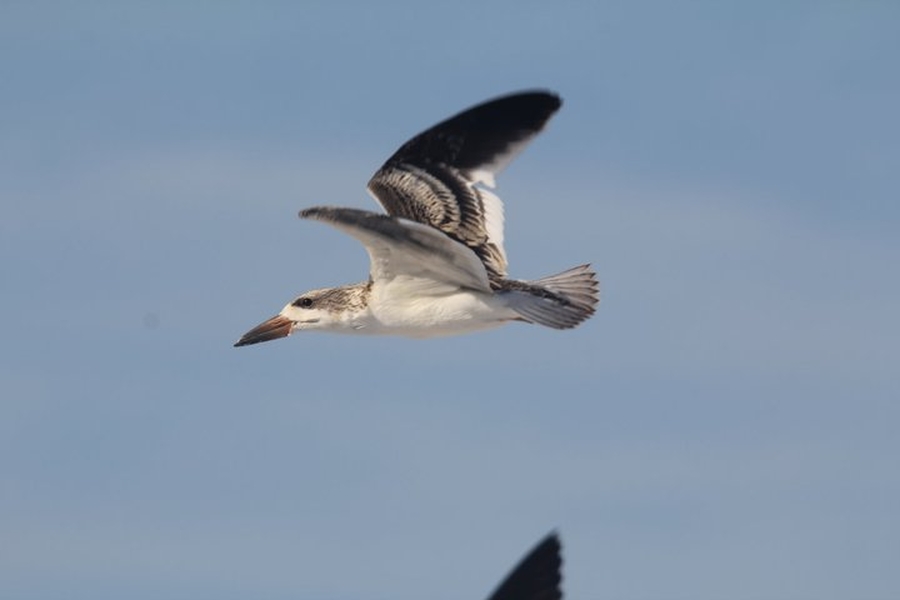
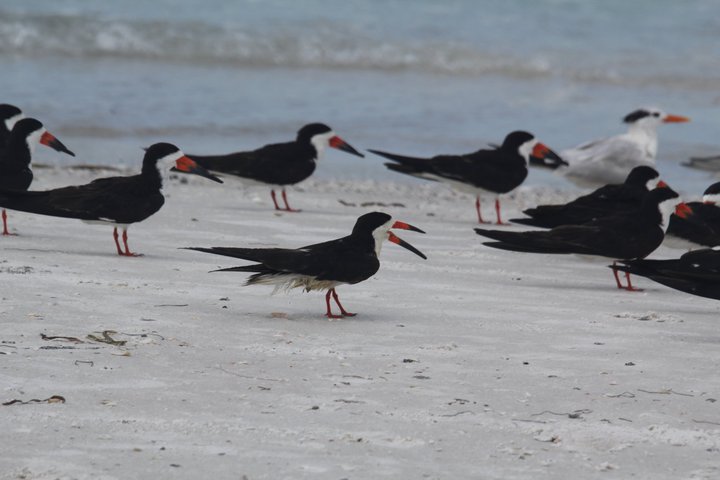 Anna Maria Island’s beach nesters include Black Skimmers, American Oystercatchers, and Snowy Plovers. We have the possibility of Wilson Plovers, Willets, and even the species of concern, the Least Tern nesting on our beaches.
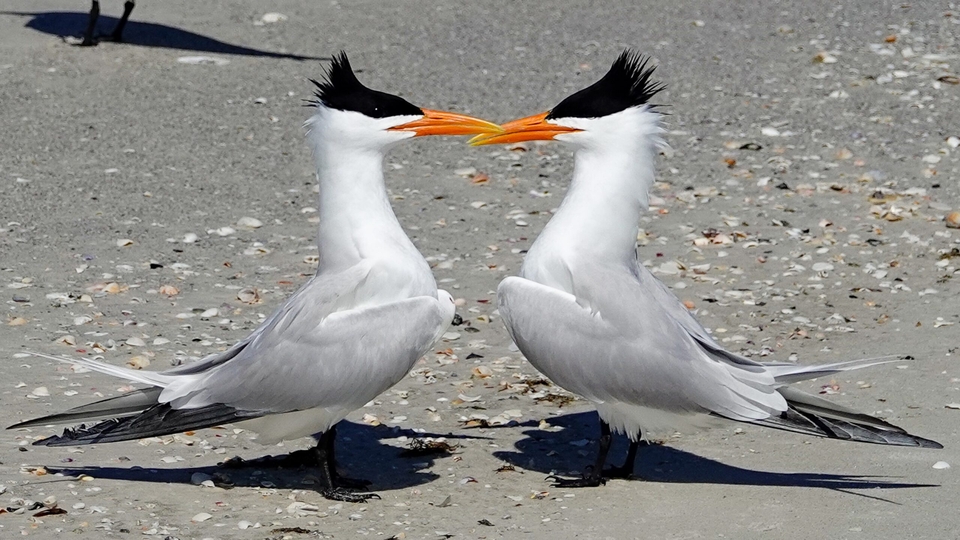
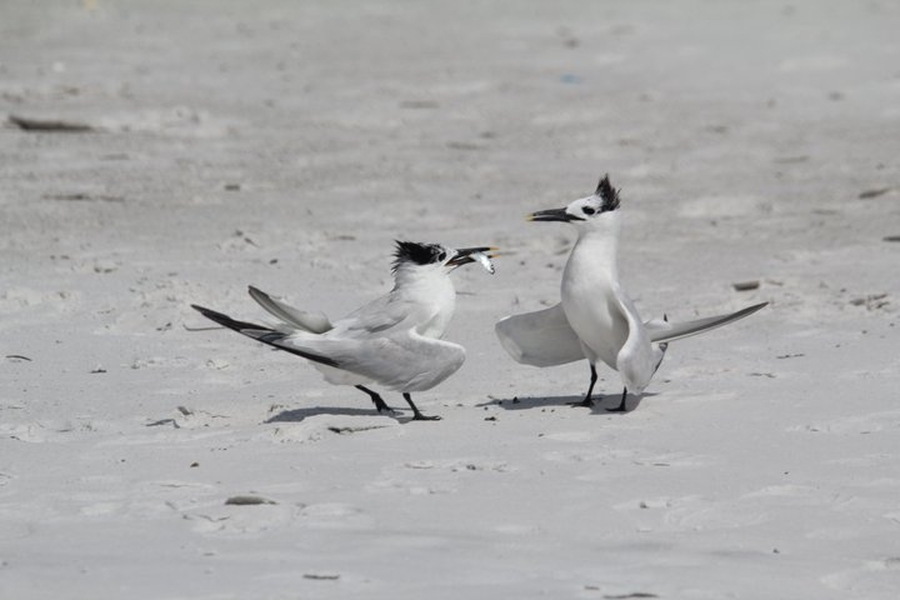
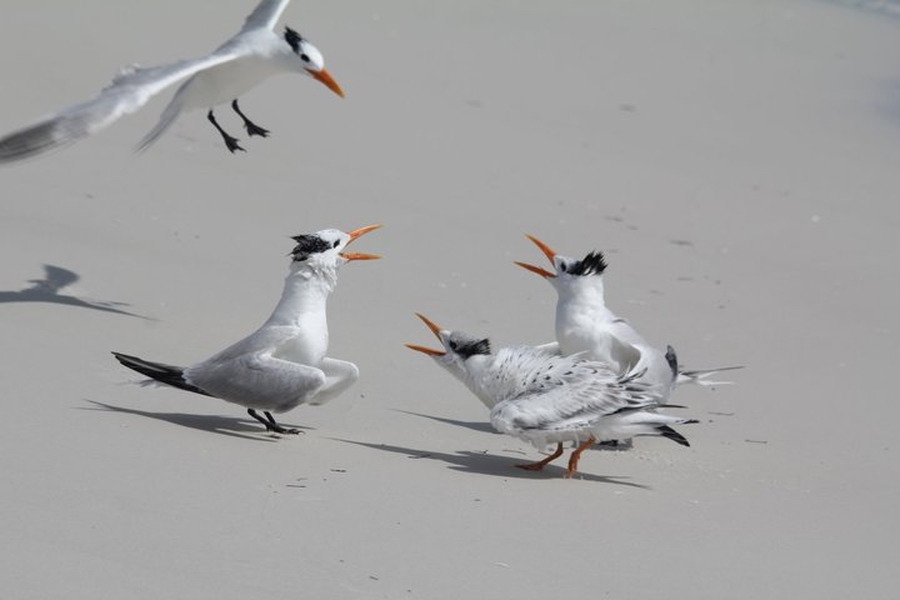
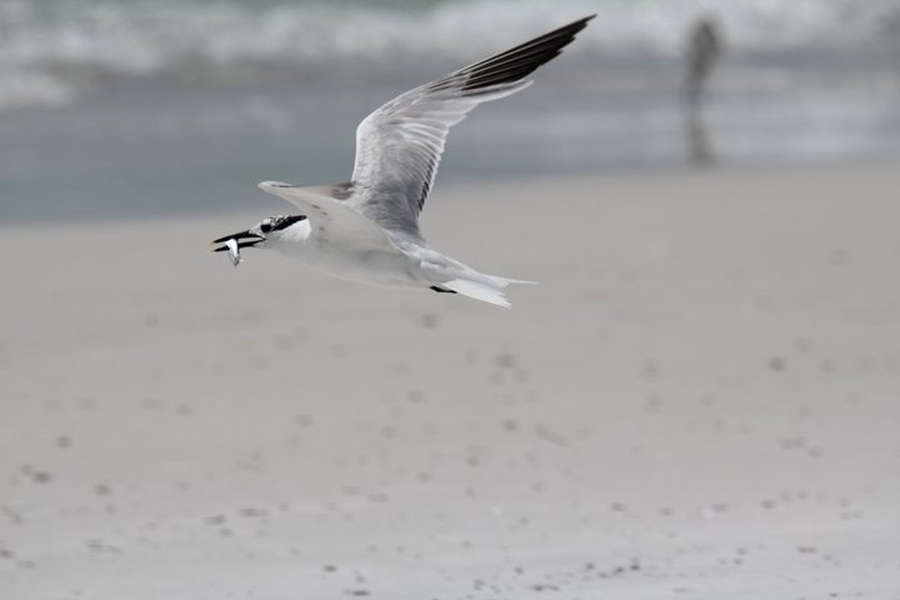
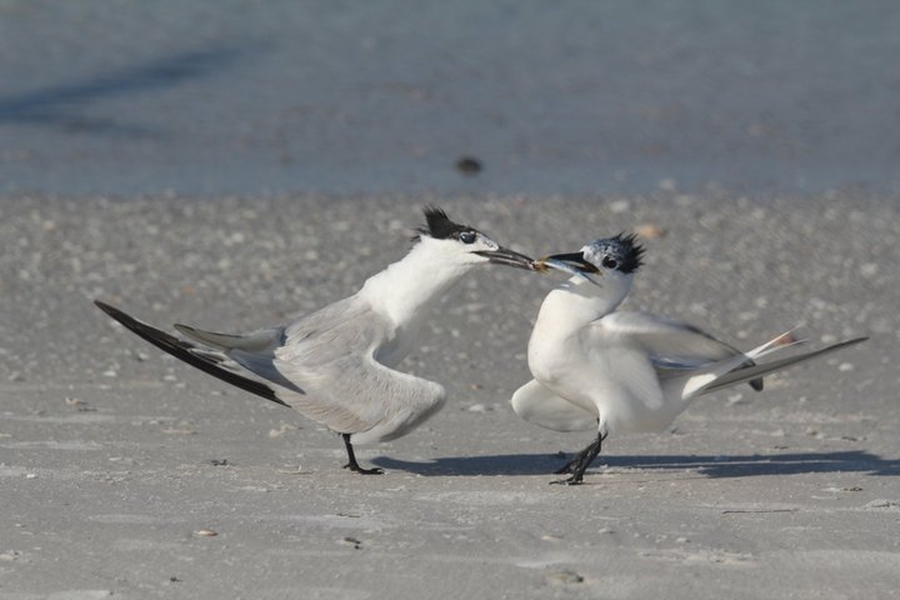
We have the pleasure of many bird visitors feeding and loafing (a birding term for resting) on our shores. These birds include Red Knots, Sandwich Terns, Royal Terns, Forester’s Tern, Semipalmated Plovers, Ruddy Turnstones, Laughing Gulls, and many more!
We invite you to come to the Island and take a leisurely stroll along our shoreline at different times of the day. Some shorebirds like to feed at high tide while others feed at low tide. That is the beauty of watching shorebirds, they can be found at almost any time of the day. At the same time they can drive you crazy by standing in one place for along time defying you to identify them while in their winter plumage! Come and enjoy the diversity of our feathered friends!
Shorebird-Friendly Tips
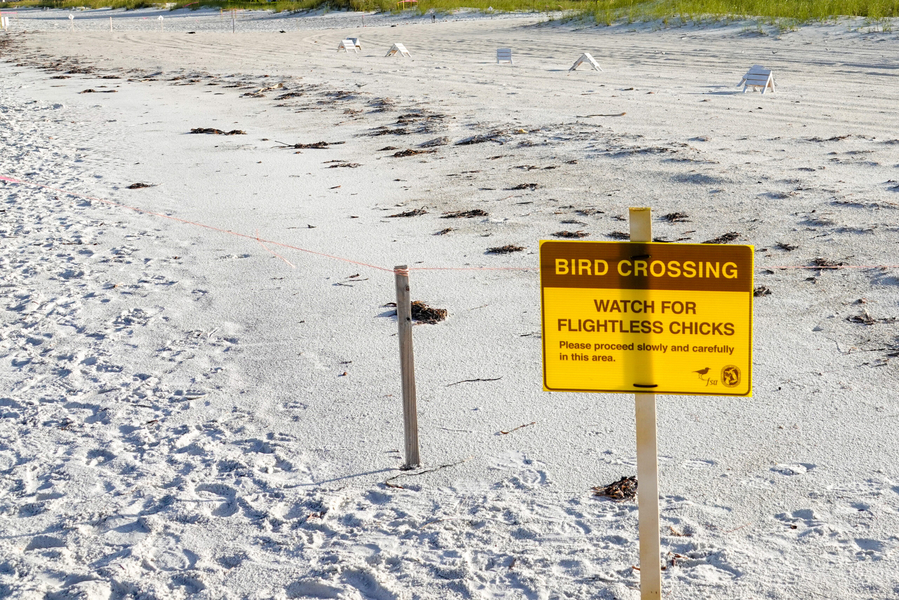
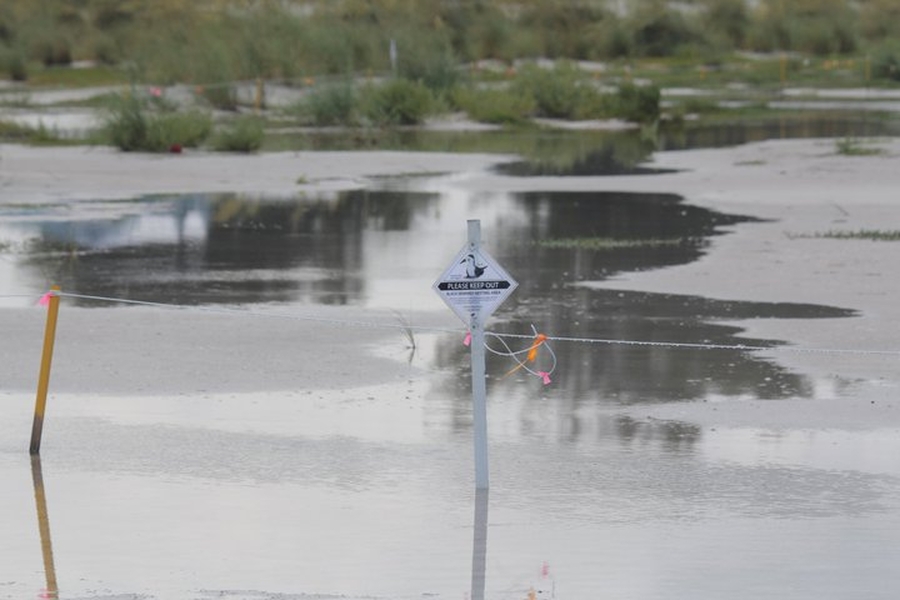
- Respect the posted bird closures and keep your distance. If birds become agitated or leave their nests you are too close!! A general rule is to stay at least 300 feet away from a shorebird nest.
- Avoid flying kites or drones near shorebird colonies – they look like predators and will scare the birds off their nests.
- Place trash in its proper place and do not feed wildlife. Food scraps attract predators to the beach. Litter on beaches can entangle birds and turtles.
- Keep pets away from nesting areas. Even well-behaved pets can be perceived as a threat. Keep cats indoors.
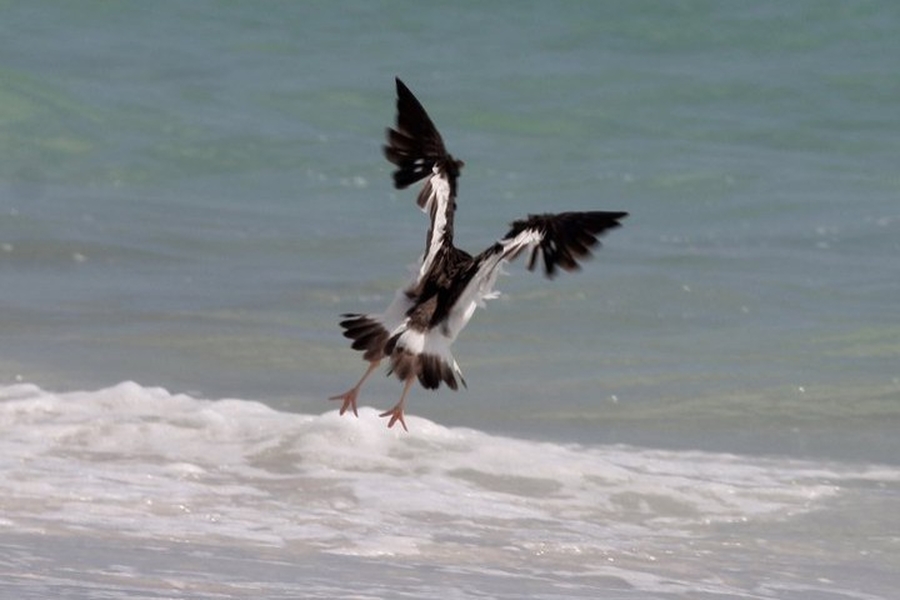
- Do not intentionally force birds to fly. When birds are chased or disturbed, they use energy they need to reserve for nesting and migration.
- Do not use fireworks on the beach
- Spread the word! If you see people disturbing nesting birds, sea turtles, or nest sites, gently remind them how their actions may hurt the animals’ survival. If they continue to disturb, please call and report their activities to FWC’s Wildlife Alert hotline at 888-404-FWCC (3922).